

 Post by
 Data & technology jobs combine technical, analytical, and problem-solving skills to build software, manage data, secure systems, and support digital transformation. These careers offer strong salaries, remote opportunities, and long-term demand across almost every industry.
Technology shapes how businesses operate, communicate, and grow. At the same time, data has become one of the most valuable business assets. Together, they have created a wide range of data & technology jobs that offer excellent career opportunities for students, graduates, career changers, and experienced professionals.
Data roles focus on collecting, organizing, analyzing, and interpreting information so businesses can make informed decisions. Technology roles concentrate on building applications, managing infrastructure, securing systems, and creating digital products that people use every day. Although these paths have different responsibilities, they often work closely together to solve business problems.
Demand continues to grow because organizations are investing in artificial intelligence, cloud computing, cybersecurity, automation, and digital transformation. Healthcare providers analyze patient data to improve care. Banks use advanced analytics to detect fraud. Retail companies study customer behavior to increase sales. Manufacturers rely on connected systems to improve production, while government agencies use technology to deliver public services more efficiently.
One of the biggest advantages of pursuing data technology careers is their flexibility. You can specialize in analytics, software engineering, cybersecurity, cloud computing, machine learning, business intelligence, or infrastructure. Many of these positions also support remote or hybrid work, giving professionals greater freedom over where they work.
Whether you are exploring your first job, switching careers, or looking to move into a higher-paying role, this guide explains everything you need to know. You’ll learn about the different career paths, essential skills, salary expectations, certifications, hiring trends, and practical steps to help you build a successful future in one of the world’s fastest-growing industries.
Check out our latest blog on 20 Benefits of Inhouse Software Development
What Are Data & Technology Jobs?
Data & technology jobs include careers that involve collecting, processing, analyzing, protecting, and using information through technology. Some professionals focus on understanding data, while others build and maintain the systems that make data useful.
Although these careers often overlap, they generally fall into two categories.
Data Roles
Data professionals help organizations transform raw information into useful insights. Their work supports better business decisions, operational improvements, and strategic planning.
Common data jobs include:
- Data Analyst
- Data Scientist
- Data Engineer
- Business Intelligence Analyst
- Database Administrator
- Machine Learning Engineer
These professionals spend much of their time working with SQL databases, spreadsheets, dashboards, programming languages such as Python, and visualization tools like Power BI or Tableau.
Read More On Software Developer Salary Without Degree: Pay & Skills
Technology Roles
Technology professionals design, build, secure, and maintain software, infrastructure, and digital systems.
Popular technology jobs include:
- Software Developer
- Full Stack Developer
- Cloud Engineer
- DevOps Engineer
- Cybersecurity Analyst
- QA Engineer
- Solutions Architect
- Product Manager
These roles focus on software development, networking, cloud infrastructure, system administration, security, and application deployment.
How Data and Technology Work Together
Modern businesses rarely separate data from technology. Instead, both disciplines work together throughout the lifecycle of a digital product.
For example:
- A software developer builds an online shopping platform.
- A database administrator manages customer records.
- A data engineer creates reliable pipelines to process transaction data.
- A data analyst measures purchasing trends.
- A business intelligence analyst builds dashboards for company leaders.
- A cybersecurity analyst protects sensitive customer information.
- A cloud engineer ensures the platform scales during busy shopping seasons.
Every role contributes to the same business objective from a different perspective.
Read More On Best Colleges for Software Development in 2026
Real-World Examples
Almost every major company relies on teams that combine data and technology expertise.
An e-commerce business uses analysts to recommend products, developers to improve the website, cloud engineers to maintain performance, and security teams to protect customer accounts.
A hospital depends on database administrators to manage patient records, software engineers to build healthcare applications, and analysts to identify treatment trends.
A financial institution uses machine learning engineers to detect fraud, cloud engineers to improve reliability, and business intelligence specialists to support executive decision-making.
This collaboration explains why careers in technology and data continue to expand together rather than separately.
Why Data & Technology Careers Are Growing
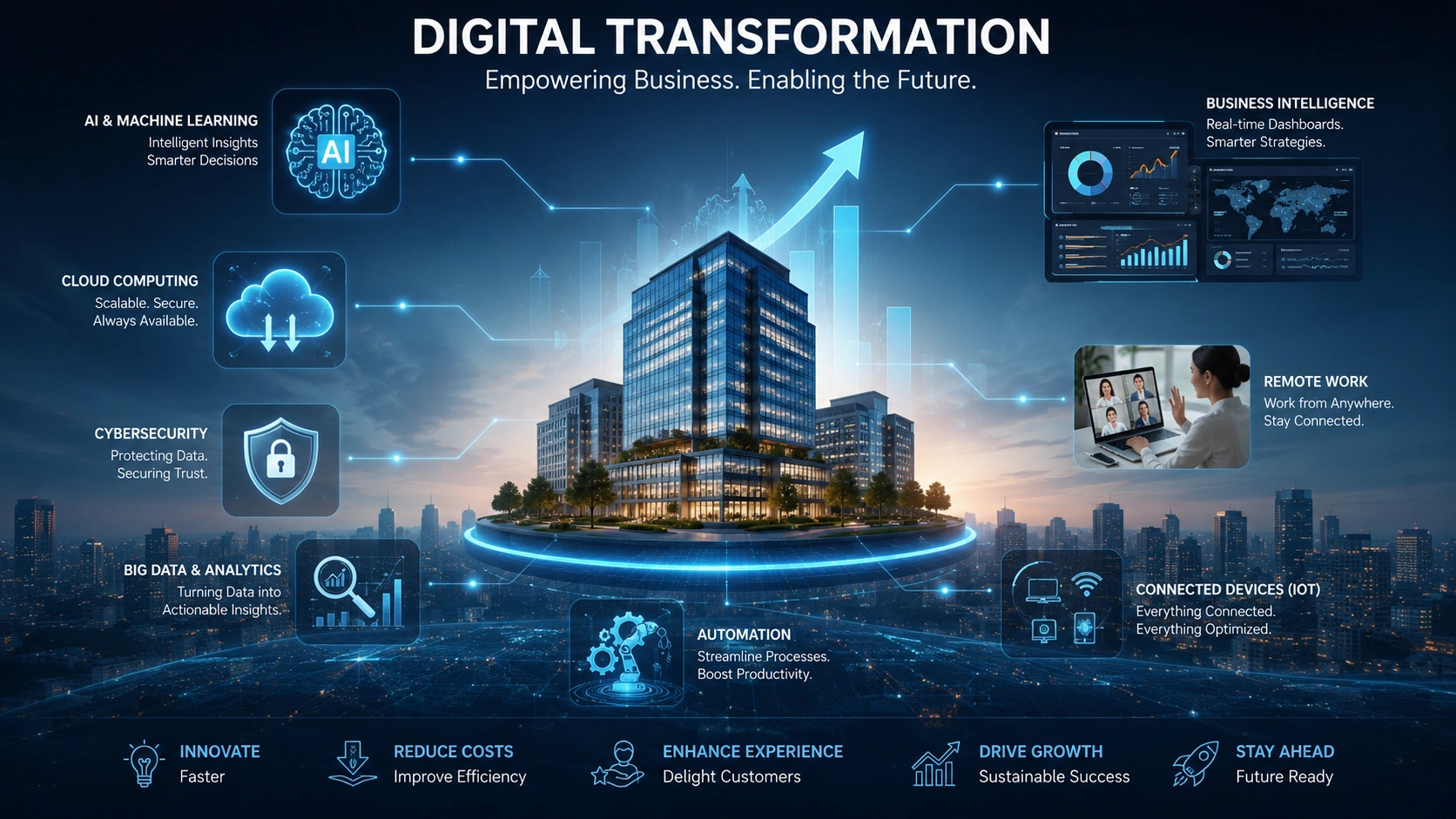
Demand for data & technology jobs has increased rapidly because organizations now rely on technology for almost every business function. From customer service to manufacturing, digital systems and data-driven decision-making have become essential rather than optional.
Several trends are driving this growth.
Artificial Intelligence
Artificial intelligence is changing how businesses automate routine work, improve customer experiences, and analyze large volumes of information. Companies need AI engineers, machine learning engineers, software developers, and data scientists to design, train, and maintain intelligent systems.
Cloud Computing
Many organizations have moved from on-premises infrastructure to cloud platforms such as AWS, Microsoft Azure, and Google Cloud. This shift has created strong demand for cloud engineers, DevOps engineers, and solutions architects who can build secure and scalable environments.
Big Data
Businesses collect more information than ever before. Customer interactions, online purchases, mobile applications, and connected devices generate enormous datasets that require specialists to organize, analyze, and manage them.
As a result, data analyst jobs, data engineer jobs, and business intelligence roles continue to expand across industries.
Cybersecurity
As digital systems grow, so do cyber threats. Organizations invest heavily in cybersecurity professionals who can identify vulnerabilities, respond to incidents, and protect sensitive information.
Cybersecurity has become one of the fastest-growing areas within modern IT careers.
Automation
Businesses use automation to reduce repetitive work, improve accuracy, and lower operating costs. Automation specialists, software developers, and DevOps engineers help companies streamline operations while improving productivity.
Digital Transformation
Organizations across healthcare, banking, retail, education, manufacturing, logistics, and government continue to modernize legacy systems. Digital transformation projects require multidisciplinary teams that include developers, analysts, cloud specialists, cybersecurity experts, and project managers.
Business Intelligence
Executives increasingly rely on dashboards and reporting tools instead of intuition. Business intelligence professionals convert complex datasets into visual reports that support strategic planning and operational decisions.
Remote Work
Remote work has expanded access to global talent. Many employers now hire developers, analysts, cloud engineers, QA engineers, and cybersecurity specialists regardless of location. As a result, remote technology jobs have become far more common than they were just a few years ago.
Why Long-Term Demand Looks Strong
Independent industry research consistently projects continued growth in software development, information security, cloud computing, artificial intelligence, and data-related occupations over the coming decade. Organizations in both the public and private sectors continue to increase technology investment as they modernize operations, strengthen security, and make better use of data.
For job seekers, this means more opportunities to specialize, higher earning potential, and the flexibility to move between industries without changing careers.
Types of Data & Technology Jobs
The field includes a wide variety of roles, each with different responsibilities, skill requirements, and career progression. The table below compares some of the most popular options.
| Job Role | Main Responsibilities | Beginner Friendly | Average Salary (US) | Remote Friendly |
|---|---|---|---|---|
| Data Analyst | Analyze data, create reports and dashboards | Yes | $75,000–$95,000 | |
| Data Scientist | Build predictive models and analyze complex datasets | Moderate | $120,000–$160,000 | |
| Data Engineer | Build and maintain data pipelines | Moderate | $115,000–$155,000 | |
| Business Intelligence Analyst | Create dashboards and business reports | Yes | $85,000–$115,000 | |
| Database Administrator | Manage databases, backups, and performance | Moderate | $90,000–$125,000 | Partial |
| Software Developer | Design and build software applications | Yes | $95,000–$140,000 | |
| Full Stack Developer | Build front-end and back-end applications | Moderate | $105,000–$150,000 | |
| Cloud Engineer | Manage cloud infrastructure and deployments | Moderate | $120,000–$165,000 | |
| DevOps Engineer | Automate software deployment and operations | Moderate | $120,000–$170,000 | |
| Cybersecurity Analyst | Protect systems from cyber threats | Yes | $95,000–$130,000 | Partial |
| SOC Analyst | Monitor and respond to security incidents | Yes | $80,000–$110,000 | Partial |
| Machine Learning Engineer | Build and deploy machine learning models | Advanced | $135,000–$180,000 | |
| AI Engineer | Develop AI applications and intelligent systems | Advanced | $140,000–$190,000 | |
| QA Engineer | Test software quality and automate testing | Yes | $80,000–$110,000 | |
| Solutions Architect | Design enterprise technology solutions | Advanced | $145,000–$190,000 | Partial |
| Product Manager | Define product strategy and coordinate teams | Moderate | $120,000–$170,000 |
No single role is the “best” choice. The right path depends on your interests, strengths, and long-term goals. If you enjoy solving business problems with numbers, data analytics may suit you. If you prefer building applications, software development could be a better fit. If security, infrastructure, or artificial intelligence interests you, there are equally rewarding career paths available.
Skills You Need for Data & Technology Jobs

Whether you’re aiming for data analyst jobs, software developer jobs, cloud computing jobs, or cybersecurity jobs, employers look for a balance of technical knowledge and workplace skills. You don’t need to master everything at once. Start with the fundamentals, then build expertise in your chosen specialization.
Technical Skills
SQL
SQL (Structured Query Language) is one of the most valuable skills across data and technology careers. It allows you to retrieve, filter, update, and analyze data stored in relational databases.
You should learn how to:
- Write basic and advanced queries
- Join multiple tables
- Use aggregate functions
- Create views
- Optimize queries
- Work with indexes
SQL is essential for data analysts, data engineers, business intelligence analysts, database administrators, and many software developers.
Python
Python is widely used because of its simple syntax and extensive ecosystem. It supports data analysis, automation, machine learning, artificial intelligence, scripting, and backend development.
Common Python libraries include:
- Pandas
- NumPy
- Matplotlib
- Seaborn
- Scikit-learn
- TensorFlow
- FastAPI
Excel
Excel remains an important business tool. Many organizations still use spreadsheets for reporting, budgeting, forecasting, and data cleaning.
Useful Excel skills include:
- Pivot tables
- Charts
- Lookup functions
- Conditional formatting
- Power Query
- Basic automation
Power BI and Tableau
Visualization tools help turn raw data into dashboards that managers can understand quickly.
Learn how to:
- Build dashboards
- Create interactive reports
- Connect multiple data sources
- Design KPIs
- Use calculated measures
Programming Languages
Depending on your career path, employers may expect experience with:
- Java
- JavaScript
- C#
- Go
- Bash scripting
You don’t need every language. Choose those that match your specialization.
Linux
Linux powers many servers, cloud platforms, and enterprise applications. Basic command-line knowledge is useful for developers, cloud engineers, DevOps engineers, and cybersecurity professionals.
Networking Fundamentals
Understanding networking helps you troubleshoot systems and communicate with infrastructure teams.
Learn topics such as:
- TCP/IP
- DNS
- HTTP/HTTPS
- Firewalls
- VPNs
- Load balancers
Cloud Platforms
Cloud skills are increasingly expected across modern technology jobs.
Popular platforms include:
- Amazon Web Services (AWS)
- Microsoft Azure
- Google Cloud Platform (GCP)
Git and Version Control
Git allows teams to collaborate on software and track code changes.
Employers expect you to understand:
- Repositories
- Branches
- Pull requests
- Merge conflicts
- Commit history
APIs
Applications communicate through APIs. Knowing how to use REST APIs helps developers, analysts, automation engineers, and integration specialists work with modern systems.
Soft Skills
Technical knowledge helps you get interviews. Soft skills help you succeed once you’re hired.
Communication
You should be able to explain technical ideas clearly to both technical and non-technical colleagues.
Problem Solving
Most IT careers involve identifying issues, evaluating solutions, and implementing improvements.
Critical Thinking
Technology professionals often work with incomplete information. Critical thinking helps you evaluate options instead of making assumptions.
Teamwork
Modern projects involve developers, analysts, designers, testers, managers, and stakeholders working together.
Presentation Skills
Analysts and engineers frequently present findings, dashboards, reports, or project updates.
Time Management
Balancing deadlines, meetings, learning, and project work requires strong organizational skills.
Certifications That Can Help
Certifications are not mandatory, but they can strengthen your resume, demonstrate commitment, and help you qualify for interviews, especially if you’re changing careers or applying for entry-level technology jobs.
| Certification | Difficulty | Best For | Approximate Cost (USD) | Career Path |
|---|---|---|---|---|
| Google Data Analytics | Beginner | Data Analyst | $49/month (Coursera) | Data Analytics |
| Microsoft Azure Fundamentals (AZ-900) | Beginner | Cloud Beginners | ~$99 | Cloud Computing |
| AWS Certified Cloud Practitioner | Beginner | Cloud Careers | ~$100 | Cloud Computing |
| AWS Solutions Architect – Associate | Intermediate | Cloud Engineers | ~$150 | Cloud Architecture |
| CompTIA Security+ | Intermediate | Cybersecurity | ~$400 | Cybersecurity |
| Google Cybersecurity Certificate | Beginner | Security Beginners | $49/month (Coursera) | Cybersecurity |
| Cisco CCNA | Intermediate | Networking | ~$300 | Network Engineering |
| Microsoft Power BI Data Analyst (PL-300) | Intermediate | BI Professionals | ~$165 | Business Intelligence |
| Oracle Database SQL | Beginner | SQL Learners | Varies | Database Careers |
| Snowflake SnowPro Core | Intermediate | Data Engineering | ~$175 | Cloud Data Platforms |
| Databricks Data Engineer Associate | Intermediate | Data Engineering | ~$200 | Big Data Engineering |
Which Certification Should You Choose?
If your goal is analytics, start with Google Data Analytics or Microsoft Power BI.
If you want cloud computing jobs, AWS Cloud Practitioner or Azure Fundamentals are excellent entry points.
If cybersecurity interests you, begin with Google Cybersecurity or CompTIA Security+.
For data engineering, focus on SQL, Snowflake, and Databricks certifications after building your programming skills.
Remember that certifications support your learning, but practical projects and hands-on experience often carry more weight during hiring.
Programming Languages Used in Data & Technology Jobs

Different careers rely on different programming languages. Understanding where each language fits helps you choose the right learning path.
Python
Best for:
- Data analysis
- Artificial intelligence
- Machine learning jobs
- Automation
- Backend development
Python is often the first programming language recommended for data professionals because it is readable and has a large ecosystem.
SQL
Best for:
- Data analyst jobs
- Database administration
- Business intelligence
- Reporting
- Data engineering
SQL is used almost every day in many data-focused roles.
Java
Best for:
- Enterprise software
- Banking systems
- Android applications
- Backend services
Many large organizations continue to rely on Java for mission-critical applications.
JavaScript
Best for:
- Front-end development
- Full-stack development
- Interactive websites
- Web applications
JavaScript is essential for anyone pursuing software developer jobs that involve web development.
R
Best for:
- Statistics
- Academic research
- Data science
- Advanced analytics
Although Python is more widely used in industry, R remains valuable for statistical analysis.
C#
Best for:
- Microsoft technologies
- Enterprise software
- Desktop applications
- Game development with Unity
Bash
Best for:
- Linux administration
- DevOps
- Automation
- Server management
Basic Bash scripting saves time by automating repetitive tasks.
Go
Best for:
- Cloud-native applications
- Distributed systems
- Networking tools
- Infrastructure software
Go has become increasingly popular among companies building scalable cloud platforms.
Best Tools Used in Data & Technology Jobs
Employers expect professionals to be comfortable with industry-standard tools. The exact tools depend on your specialization, but learning the following will give you a strong foundation.
Data Tools
| Tool | Primary Use |
| Excel | Reporting, calculations, analysis |
| Power BI | Interactive dashboards |
| Tableau | Business intelligence visualization |
| SQL Server | Relational databases |
| Snowflake | Cloud data warehouse |
| Google BigQuery | Large-scale analytics |
| Apache Spark | Big data processing |
These tools help organizations collect, analyze, and visualize information efficiently.
Technology Tools
| Tool | Primary Use |
| GitHub | Version control and collaboration |
| Docker | Containerization |
| Kubernetes | Container orchestration |
| AWS | Cloud infrastructure |
| Microsoft Azure | Cloud services |
| Google Cloud Platform | Cloud computing |
| Jenkins | Continuous integration and deployment |
| Visual Studio Code | Code editing |
Learning these tools also helps you build practical projects that showcase your abilities during interviews.
How to Start a Career in Data & Technology Jobs
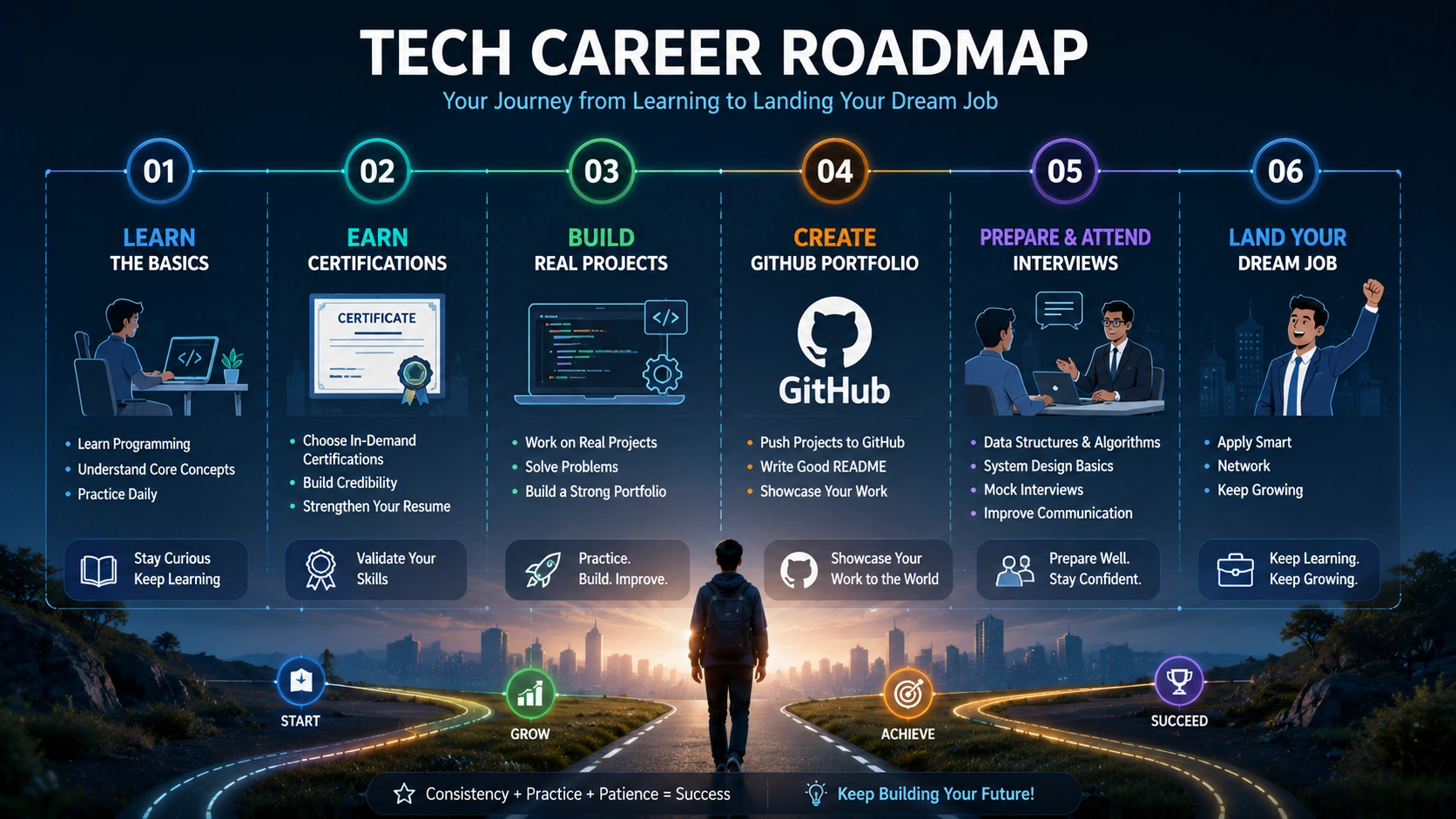
Breaking into data technology careers doesn’t require learning everything at once. A structured roadmap will help you progress faster and avoid feeling overwhelmed.
Step 1: Learn the Fundamentals
Start with the basics.
Focus on:
- Computer fundamentals
- Databases
- Networking
- Programming
- Operating systems
Understanding these concepts makes advanced topics easier later.
Step 2: Choose One Specialization
Avoid trying to learn every technology simultaneously.
Examples include:
- Data Analytics
- Data Engineering
- Software Development
- Cloud Engineering
- Cybersecurity
- Machine Learning
- Business Intelligence
- DevOps
Choose the path that matches your interests and strengths.
Step 3: Learn the Core Tools
Study the tools employers actually use.
For example:
Data Analyst:
- SQL
- Excel
- Power BI
- Python
Software Developer:
- Git
- Java or JavaScript
- APIs
- Databases
Cloud Engineer:
- AWS
- Linux
- Docker
- Networking
Step 4: Build Practical Projects
Projects demonstrate what you can do.
Ideas include:
- Sales dashboard
- Expense tracker
- Weather application
- Portfolio website
- Customer analytics dashboard
- REST API
- Cloud deployment
- Machine learning prediction model
Aim for projects that solve real problems rather than simple tutorial exercises.
Step 5: Earn Relevant Certifications
Choose certifications that align with your specialization and strengthen your understanding.
Step 6: Create a GitHub Portfolio
Recruiters often review GitHub profiles to assess coding ability and project quality.
Include:
- Clean documentation
- Screenshots
- Installation instructions
- Organized code
- Meaningful commit history
Step 7: Practice Technical Interviews
Prepare for:
- SQL questions
- Coding exercises
- Case studies
- System design basics
- Behavioral interviews
Consistent practice builds confidence.
Step 8: Apply for Internships and Entry-Level Roles
Don’t wait until you feel completely ready.
Many professionals start with:
- Internships
- Graduate programs
- Junior developer roles
- Junior analyst positions
- Apprenticeships
- Freelance projects
Each opportunity helps you build valuable experience.
Step 9: Build Your LinkedIn Profile
Keep your profile updated with:
- Certifications
- Projects
- Skills
- Portfolio links
- Professional summary
- Career goals
Recruiters frequently search LinkedIn for candidates with relevant skills.
Step 10: Keep Learning
Technology evolves continuously. The most successful professionals dedicate time each month to learning new tools, improving existing skills, and staying informed about industry trends.
Consistency matters more than speed. Small, steady improvements over time often lead to the strongest long-term career growth.
Salary Expectations for Data & Technology Jobs
One of the biggest reasons people explore data & technology jobs is the earning potential. While salaries vary based on location, experience, industry, and company size, many roles offer competitive pay even at the entry level.
Specialized positions in cloud computing, artificial intelligence, cybersecurity, and data engineering typically command higher salaries because they require advanced technical skills.
The figures below are approximate annual averages and should be used as a general guide.
| Job | US Average | UK Average | India Average | Experience Required |
|---|---|---|---|---|
| Data Analyst | $75,000–$95,000 | £35,000–£55,000 | ₹5–10 LPA | 0–2 years |
| Business Intelligence Analyst | $85,000–$115,000 | £40,000–£60,000 | ₹6–12 LPA | 1–3 years |
| Data Engineer | $115,000–$155,000 | £55,000–£80,000 | ₹10–22 LPA | 2–5 years |
| Data Scientist | $120,000–$160,000 | £55,000–£85,000 | ₹12–25 LPA | 2–5 years |
| Database Administrator | $90,000–$125,000 | £40,000–£65,000 | ₹6–15 LPA | 2–4 years |
| Software Developer | $95,000–$140,000 | £40,000–£75,000 | ₹6–18 LPA | 0–3 years |
| Full Stack Developer | $105,000–$150,000 | £50,000–£80,000 | ₹8–20 LPA | 2–4 years |
| Cloud Engineer | $120,000–$165,000 | £60,000–£90,000 | ₹12–28 LPA | 2–5 years |
| DevOps Engineer | $120,000–$170,000 | £60,000–£90,000 | ₹12–30 LPA | 2–5 years |
| Cybersecurity Analyst | $95,000–$130,000 | £45,000–£70,000 | ₹7–18 LPA | 1–4 years |
| SOC Analyst | $80,000–$110,000 | £35,000–£55,000 | ₹5–12 LPA | 0–2 years |
| Machine Learning Engineer | $135,000–$180,000 | £65,000–£95,000 | ₹15–35 LPA | 3–6 years |
| AI Engineer | $140,000–$190,000 | £70,000–£100,000 | ₹18–40 LPA | 3–6 years |
| QA Engineer | $80,000–$110,000 | £35,000–£60,000 | ₹5–12 LPA | 0–2 years |
| Solutions Architect | $145,000–$190,000 | £75,000–£110,000 | ₹25–50 LPA | 6–10 years |
| Product Manager | $120,000–$170,000 | £60,000–£95,000 | ₹18–40 LPA | 4–8 years |
What Influences Your Salary?
Several factors affect how much you can earn.
- Location: Salaries in major technology hubs are often higher.
- Experience: Mid-level and senior professionals usually earn significantly more than entry-level employees.
- Industry: Finance, cloud computing, AI, and cybersecurity often pay above average.
- Technical skills: Expertise in cloud platforms, machine learning, or distributed systems can increase your market value.
- Certifications: Relevant certifications can strengthen your profile, particularly early in your career.
- Portfolio: Demonstrating practical projects often makes a stronger impression than listing tools on a resume.
Instead of chasing the highest-paying role immediately, focus on developing skills that create long-term career growth.
Industries Hiring Data & Technology Professionals

Almost every industry depends on technology and data to improve operations, reduce costs, and make informed decisions. This creates opportunities well beyond traditional technology companies.
Healthcare
Healthcare organizations use technology to manage electronic health records, improve patient care, analyze treatment outcomes, and strengthen cybersecurity.
Common roles include:
- Data Analyst
- Software Developer
- Database Administrator
- Cybersecurity Analyst
- Cloud Engineer
Finance and Banking
Banks and financial institutions rely on technology for digital payments, fraud detection, risk analysis, mobile banking, and regulatory compliance.
Popular positions include:
- Data Scientist
- Machine Learning Engineer
- Software Developer
- DevOps Engineer
- Security Analyst
Government
Government agencies continue to modernize digital services, improve cybersecurity, and analyze public data.
Demand exists for:
- Database Administrators
- Cloud Engineers
- Security Professionals
- Business Intelligence Analysts
Manufacturing
Manufacturers use automation, sensors, robotics, and predictive analytics to improve production efficiency.
Technology teams often include:
- Data Engineers
- Software Developers
- Industrial Automation Engineers
- Cloud Specialists
E-commerce and Retail
Retail businesses analyze customer behavior, manage inventory, personalize recommendations, and optimize supply chains.
Common technology careers include:
- Data Analyst
- Product Manager
- Software Engineer
- AI Engineer
Telecommunications
Telecom companies depend on cloud infrastructure, network automation, cybersecurity, and large-scale analytics.
Education
Universities and online learning platforms increasingly hire developers, analysts, and cloud professionals to build modern educational platforms.
SaaS Companies
Software as a Service companies represent one of the fastest-growing employers for technology professionals.
Typical roles include:
- Full Stack Developer
- DevOps Engineer
- QA Engineer
- Product Manager
- Data Engineer
Startups
Startups offer opportunities to work across multiple technologies and gain broad experience quickly.
You may work with cloud infrastructure, APIs, databases, analytics, and product development, all within the same role.
Consulting
Technology consulting firms help clients implement digital transformation initiatives.
Consultants often work on projects involving:
- Cloud migration
- Business intelligence
- Software implementation
- Data analytics
- Cybersecurity
Remote Data & Technology Jobs

Remote work has become a standard hiring model for many organizations. Companies can recruit skilled professionals from anywhere while employees benefit from greater flexibility and reduced commuting.
Many remote technology jobs require only a reliable internet connection, effective communication, and the ability to collaborate with distributed teams.
Popular Remote Roles
Many positions work well in remote environments, including:
- Data Analyst
- Software Developer
- Full Stack Developer
- DevOps Engineer
- Cloud Engineer
- QA Engineer
- Machine Learning Engineer
- AI Engineer
- Business Intelligence Analyst
Some cybersecurity positions may require occasional office access because of security regulations, but many organizations now offer hybrid or fully remote options.
Skills Employers Expect
Working remotely requires more than technical knowledge.
Employers often value candidates who can:
- Communicate clearly in writing
- Manage time independently
- Collaborate using online tools
- Document their work
- Solve problems without constant supervision
Experience with platforms such as GitHub, Jira, Slack, Microsoft Teams, Zoom, and cloud collaboration tools is often beneficial.
Tips for Landing Remote Roles
Improve your chances by following these practices:
- Build a strong online portfolio.
- Keep your GitHub profile active.
- Optimize your LinkedIn profile.
- Highlight the remote collaboration experience.
- Demonstrate communication skills during interviews.
- Showcase projects that solve real business problems.
- Continue learning current technologies.
Remote hiring is competitive, but employers consistently prioritize candidates who can demonstrate practical experience and self-management.
Biggest Challenges in Data & Technology Jobs
Although technology career paths offer excellent opportunities, they also come with challenges. Understanding these early helps you prepare for long-term success.
Continuous Learning
Technology evolves rapidly.
Programming languages, frameworks, cloud platforms, and AI tools change every year.
How to overcome it:
- Read technical blogs.
- Follow industry news.
- Complete small projects regularly.
- Learn one new skill at a time.
Fast-Changing Technology
New tools appear frequently, making it impossible to learn everything.
How to overcome it:
Focus on strong fundamentals rather than chasing every new trend. Core concepts such as programming, databases, networking, and problem-solving remain valuable regardless of changing technologies.
Competition
Many people enter technology careers every year.
Submitting the same generic resume as everyone else rarely produces results.
How to overcome it:
Differentiate yourself by building practical projects, maintaining an active GitHub portfolio, writing technical articles, and contributing to open-source projects when possible.
Certifications
Some beginners believe that collecting certifications alone guarantees employment.
In reality, employers usually evaluate practical ability alongside credentials.
How to overcome it:
Treat certifications as proof of learning, not as a replacement for hands-on experience.
Experience Requirements
Many job postings request previous experience, even for junior positions.
This can feel discouraging.
How to overcome it:
Build experience through:
- Personal projects
- Freelancing
- Internships
- Open-source contributions
- Volunteer work
- Hackathons
These experiences demonstrate initiative and technical ability.
Burnout
Technology professionals sometimes experience pressure from deadlines, production issues, and continuous learning.
How to overcome it:
- Set realistic learning goals.
- Take regular breaks.
- Develop healthy work habits.
- Prioritize quality over long working hours.
- Remember that sustainable progress is more valuable than short bursts of intense effort.
Future of Data & Technology Jobs

The future of data & technology jobs looks promising as organizations continue investing in digital innovation.
Several trends are expected to shape hiring over the coming years.
Artificial Intelligence
AI is becoming part of everyday business operations.
Rather than replacing most technology professionals, it is changing how they work by automating repetitive tasks and improving productivity.
Professionals who understand AI tools will likely have a competitive advantage.
Generative AI
Generative AI is transforming software development, content creation, customer service, analytics, and business automation.
Demand continues to grow for professionals who can integrate AI responsibly into existing systems.
Automation
Organizations continue automating workflows to improve efficiency.
Automation creates opportunities for software developers, DevOps engineers, cloud engineers, and business analysts.
Cloud-Native Development
Cloud-first applications continue replacing traditional on-premises systems.
Knowledge of containers, Kubernetes, serverless computing, and cloud architecture will remain highly valuable.
Data Governance
As organizations collect more information, they must ensure data quality, privacy, and regulatory compliance.
This creates a growing demand for professionals who understand data governance and data management.
Edge Computing
Industries such as manufacturing, healthcare, transportation, and telecommunications increasingly process data closer to where it is generated.
Edge computing reduces latency and supports real-time applications.
Quantum Computing
Quantum computing remains an emerging field, but research investment continues to increase.
Although mainstream adoption may take time, professionals with strong mathematical and computing foundations could find future opportunities in this area.
Cybersecurity
Cyber threats continue evolving, making cybersecurity one of the most resilient career paths.
Organizations of every size require skilled professionals to protect systems, applications, and sensitive information.
Responsible AI
Businesses and governments increasingly focus on transparency, fairness, privacy, and ethical AI development.
Professionals who understand responsible AI practices will become increasingly valuable as regulations evolve.
Technology changes quickly, but the need for skilled people who can solve problems, build reliable systems, and make sense of data is expected to remain strong for years to come.
Best Career Path Based on Your Interests
Choosing a specialization can feel overwhelming because there are so many options. The good news is that you don’t have to learn everything. Start with the area that matches your interests, then build your skills over time.
The table below can help you identify a suitable career path.
| If You Enjoy | Recommended Career | Why It Fits |
|---|---|---|
| Working with numbers | Data Analyst | Analyze trends, create reports, and support business decisions |
| Statistics and predictive models | Data Scientist | Build models that uncover insights and forecast outcomes |
| Building data pipelines | Data Engineer | Design systems that collect, transform, and store data |
| Programming and problem-solving | Software Developer | Create applications, websites, and software products |
| Front-end and back-end development | Full Stack Developer | Work across the entire application stack |
| Cloud platforms and infrastructure | Cloud Engineer | Build and manage scalable cloud environments |
| Automation and deployment | DevOps Engineer | Improve software delivery and operational efficiency |
| Protecting systems and networks | Cybersecurity Analyst | Defend organizations against cyber threats |
| Monitoring security incidents | SOC Analyst | Detect, investigate, and respond to attacks |
| Artificial intelligence | Machine Learning Engineer | Develop intelligent systems and predictive models |
| Business reporting | Business Intelligence Analyst | Turn data into dashboards and actionable insights |
| Databases | Database Administrator | Maintain secure, reliable, and high-performing databases |
| Product strategy | Product Manager | Bridge business goals with technical development |
| Software quality | QA Engineer | Ensure applications are reliable before release |
| Enterprise architecture | Solutions Architect | Design scalable technical solutions for organizations |
Which Path Is Right for You?
If you’re still undecided, ask yourself a few simple questions:
- Do you enjoy working with data and finding patterns?
- Do you prefer building applications or solving infrastructure problems?
- Are you interested in security and protecting systems?
- Do you enjoy learning programming languages?
- Would you rather work closely with business teams or focus on technical implementation?
Your answers will help narrow your options. Remember that many professionals change specializations as they gain experience, so your first role does not have to define your entire career.
Common Mistakes Beginners Make

Many people delay their progress by focusing on the wrong things. Avoiding these common mistakes can help you reach your first job faster.
Trying to Learn Too Many Tools
It’s tempting to study every new framework or programming language, but this often leads to shallow knowledge.
Instead, choose one career path and learn the core technologies required for that role.
Ignoring SQL
Many beginners focus entirely on programming languages while overlooking SQL.
This is a mistake because SQL is used in data analysis, business intelligence, software development, backend systems, and database management.
Even if you don’t plan to become a data analyst, SQL remains a valuable skill.
Skipping Practical Projects
Watching tutorials can help you understand concepts, but employers want proof that you can apply your knowledge.
Build projects that solve real problems, such as:
- Sales dashboards
- Expense trackers
- REST APIs
- Portfolio websites
- Inventory management systems
- Data visualization dashboards
These projects also provide valuable talking points during interviews.
Not Building a Portfolio
A strong portfolio often makes a better impression than a long list of completed courses.
Include:
- GitHub repositories
- Screenshots
- Live demos
- Documentation
- Technical explanations
- Challenges you solved
A well-organized portfolio demonstrates professionalism and practical ability.
Ignoring Networking
Many opportunities come through professional connections rather than online applications.
Expand your network by:
- Connecting with professionals on LinkedIn
- Attending local technology meetups
- Joining online communities
- Participating in hackathons
- Contributing to open-source projects
Networking helps you learn from experienced professionals and discover new opportunities.
Applying Too Late
Many candidates wait until they feel “ready.”
In reality, learning continues after you’re hired.
Apply once you have:
- Fundamental technical knowledge
- Several quality projects
- A polished resume
- A professional LinkedIn profile
- Basic interview preparation
Don’t let perfection delay your progress.
Only Watching Tutorials
Tutorials provide guidance, but copying code without experimentation limits your learning.
After finishing a course, rebuild the project from memory and add your own features. This process strengthens problem-solving skills and helps you understand the technology more deeply.
Final Thoughts
Data & technology jobs continue to offer some of the strongest long-term career opportunities across the global job market. As organizations invest in artificial intelligence, cloud computing, cybersecurity, automation, and data-driven decision-making, demand for skilled professionals is expected to remain strong.
The best way to start is to choose one specialization rather than trying to master every technology at once. Build a solid foundation, learn the tools used in your chosen field, complete practical projects, and create a portfolio that demonstrates your abilities.
Remember that employers value problem-solving, curiosity, and consistent improvement as much as technical knowledge. Every project you complete, certification you earn, and challenge you overcome brings you one step closer to your career goals.
Whether you’re pursuing entry-level technology jobs, transitioning into data technology careers, or advancing within IT careers, steady learning and practical experience will help you build a rewarding future.
Frequently Asked Questions
Data & technology jobs involve collecting, analyzing, managing, securing, and using information through digital systems. They include careers such as data analyst, software developer, cloud engineer, cybersecurity analyst, database administrator, and machine learning engineer.
Roles such as AI Engineer, Solutions Architect, Machine Learning Engineer, and Cloud Architect are among the highest-paying tech jobs. Actual salaries depend on your experience, location, industry, and employer.
Yes. Demand continues to grow because organizations across healthcare, finance, retail, manufacturing, education, and government rely on technology and data to improve operations, strengthen security, and make better decisions.
Yes. Many employers hire candidates based on practical skills, certifications, portfolios, and project experience rather than a traditional degree. Building real-world projects and demonstrating your abilities can significantly improve your chances.
Yes. SQL is a core skill for data analysts, business intelligence analysts, data engineers, and database administrators. It is also valuable for many software development roles that work with relational databases.