A 6 month software development course is one of the most direct paths into a career building real softwareproducts, whether that means web applications, SaaS platforms, mobile apps, or custom business tools. These programs are designed to move fast, stay practical, and give you working skills that employers and clients actually need. Before you commit your time and money, it helps to understand exactly what you are signing up for, how different programs compare, and which format fits your goals.
If you’re considering external development support, our guide to hiring a software contractor explains what to look for before signing a contract.
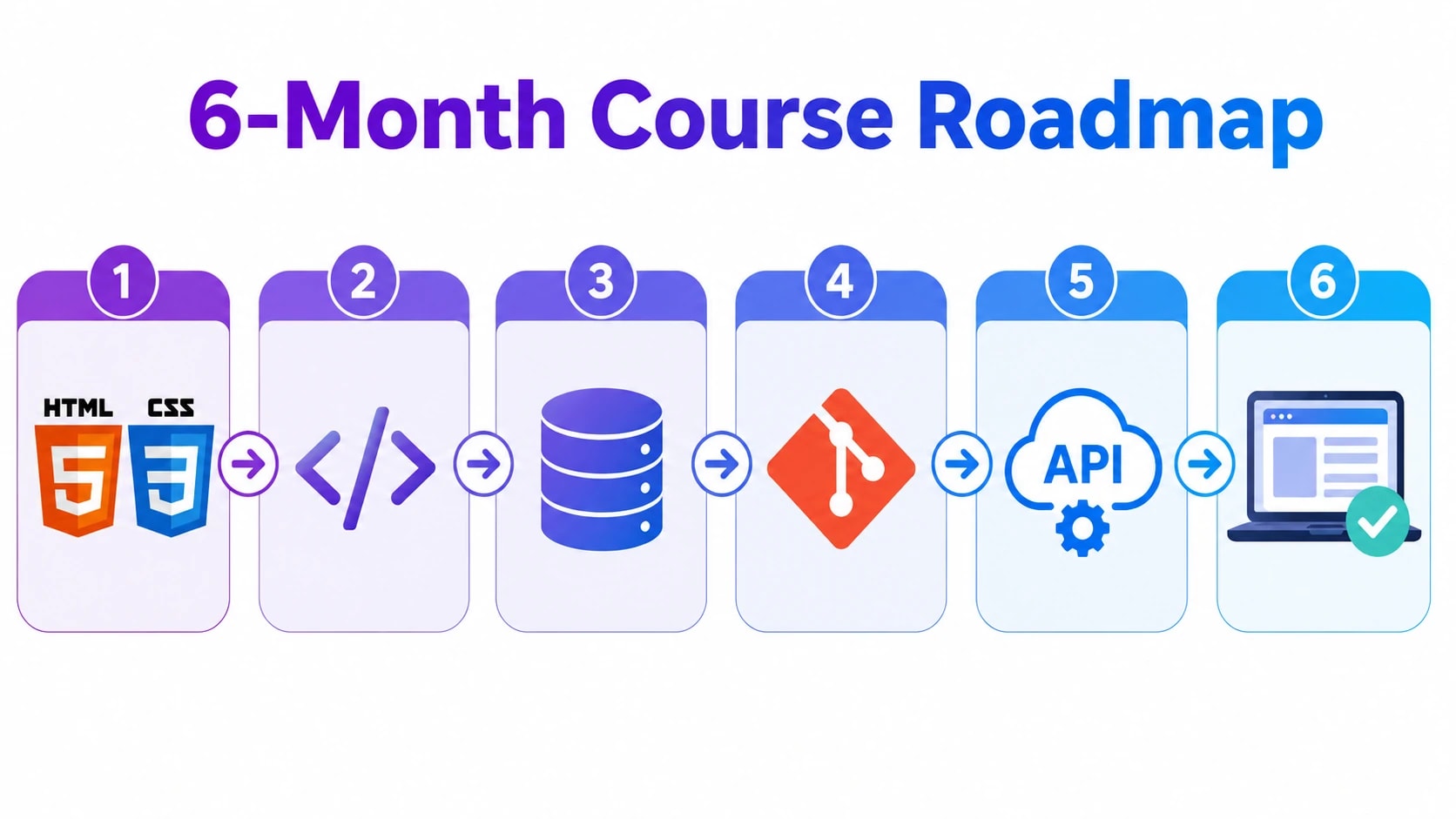
What a 6 Month Software Development Course Actually Covers
Six months is a meaningful chunk of time in software education. It is long enough to go beyond syntax and surface-level tutorials, and short enough that programs have to stay focused on what matters most. Here is a realistic picture of what a well-structured 6 month program typically covers.
Core Programming Fundamentals
Most programs start by building a solid foundation in at least one programming language. Python, JavaScript, and Java are the most common starting points. You will work through variables, data types, loops, functions, and object-oriented programming principles. This phase usually takes four to six weeks, and it sets the foundation everything else builds on.
Front-End Web Development
After fundamentals, most courses introduce the building blocks of the web: HTML, CSS, and JavaScript in the browser. You learn how to structure pages, style interfaces, and add interactivity. Many programs then introduce a front-end framework such as React or Vue, since these are the tools most companies actually use in production.
Back-End Development and Databases
This is where things get more complex and more interesting. Back-end modules cover server-side programming, building APIs, handling authentication, and working with databases. You will typically work with both SQL databases like PostgreSQL and NoSQL options like MongoDB. Understanding how data flows between a front end and a back end is a skill that applies to nearly every software product out there.
Version Control, Deployment, and Developer Workflows
Professional developers use Git every single day. A quality 6 month course will make sure you understand branching, merging, pull requests, and code reviews. Beyond that, many programs now include an introduction to deployment using platforms like Heroku, Vercel, or AWS, so you can actually ship the projects you build rather than just running them on your own machine.
Projects and Portfolio Work
The final stretch of most 6 month programs is project-focused. You build solo projects, sometimes a group project, and put together a portfolio that shows potential employers or clients what you can do. The quality of this phase varies a lot between programs, which is one reason why comparing curricula carefully before enrolling matters so much.
Types of 6-Month Software Development Programs: A Side-by-Side Comparison
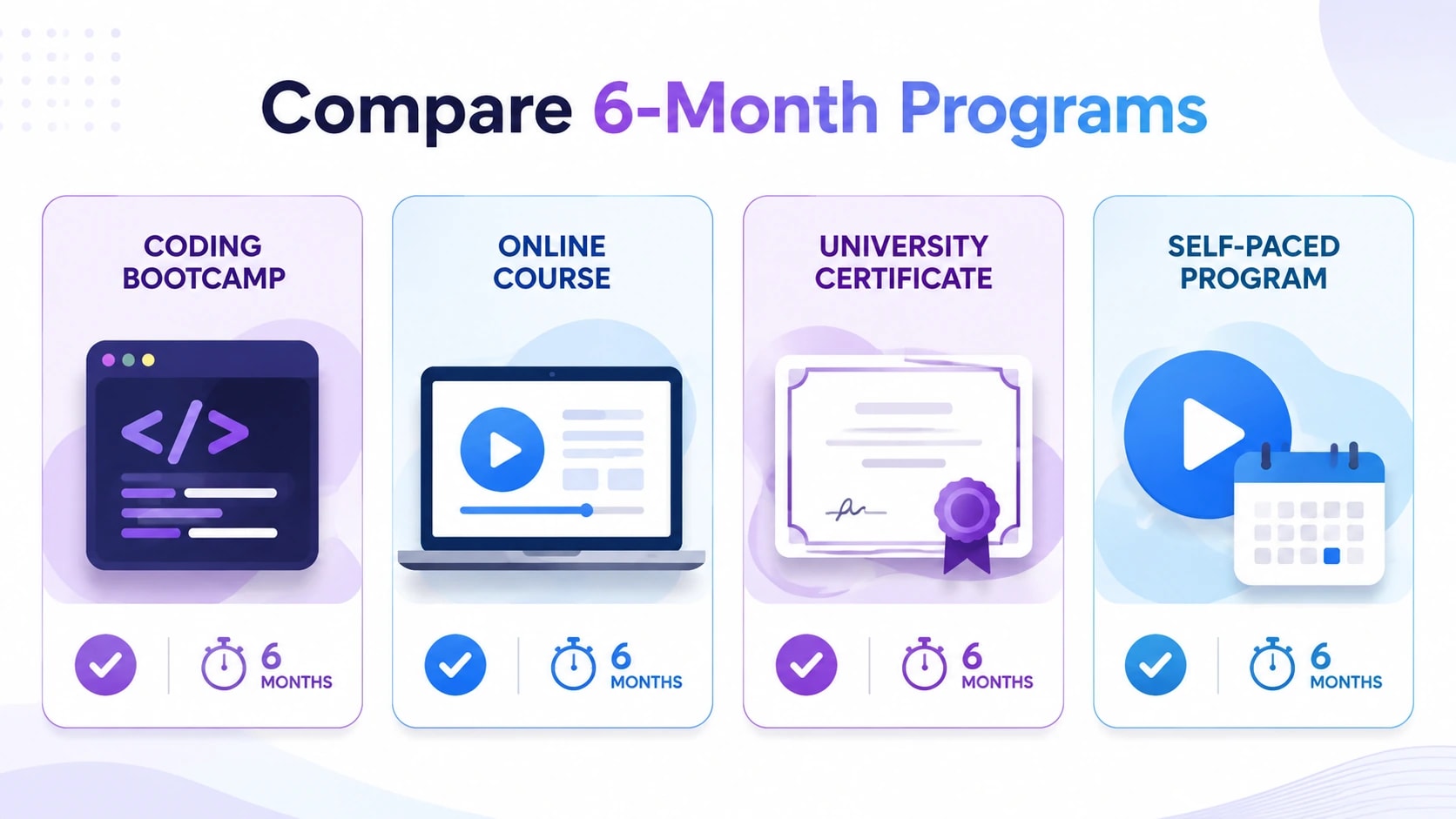
Not all 6 month software development courses are the same. The format, intensity, cost, and outcome differ quite a bit depending on the type of program you choose. Here is a breakdown of the main options available today.
Program Type
Format
Time Commitment
Typical Cost
Best For
Full-Time Bootcamp
In-person or live online
40+ hours per week
$10,000 to $20,000
Career changers who can commit full-time
Part-Time Bootcamp
Evening and weekend sessions
20 to 25 hours per week
$7,000 to $15,000
Working professionals building new skills
University Certificate Program
Online or hybrid
10 to 20 hours per week
$5,000 to $12,000
Those who want institutional credibility
Self-Paced Online Course
Fully online, asynchronous
Flexible
$500 to $3,000
Self-motivated learners on a budget
Apprenticeship or Paid Training Program
On-the-job training
Full-time work hours
Often free or paid
Those who learn best by doing real work
Full-Time Bootcamps
Full-time bootcamps are the most intense option. You are essentially treating the program like a job, showing up every day and spending full days writing code, attending lectures, and working on projects. The upside is speed and structure. The downside is that they are expensive, and the pace leaves little room to slow down and consolidate what you have learned.
Part-Time and Evening Programs
Part-time programs stretch the same curriculum across a longer schedule, which suits people who are working or have other commitments. The material does not change, but the pacing is more forgiving. These programs often run for exactly six months because that is roughly how long it takes to cover a full-stack curriculum at a manageable pace.
University Certificate Programs
Several universities now offer professional certificate programs in software development that run for around six months. These tend to be more academic in tone and carry the weight of an institutional name, which matters to some employers. The curriculum can sometimes lag behind what the industry is actually using, so it is worth reviewing the syllabus closely.
Self-Paced Online Learning
Platforms offering structured self-paced paths give you the most flexibility but also require the most personal discipline. Without a cohort, deadlines, or an instructor keeping you accountable, many learners stall out before finishing. If you have a strong track record of completing self-directed learning projects, this format can offer excellent value for money.
Apprenticeships and Employer-Sponsored Training
A growing number of companies hire junior developers or apprentices and train them on the job over a six-month period. This format pays you while you learn, which changes the financial calculation entirely. These positions are competitive and not always easy to find, but they are worth pursuing if you can land one.
How to Choose the Right 6 Month Software Development Course
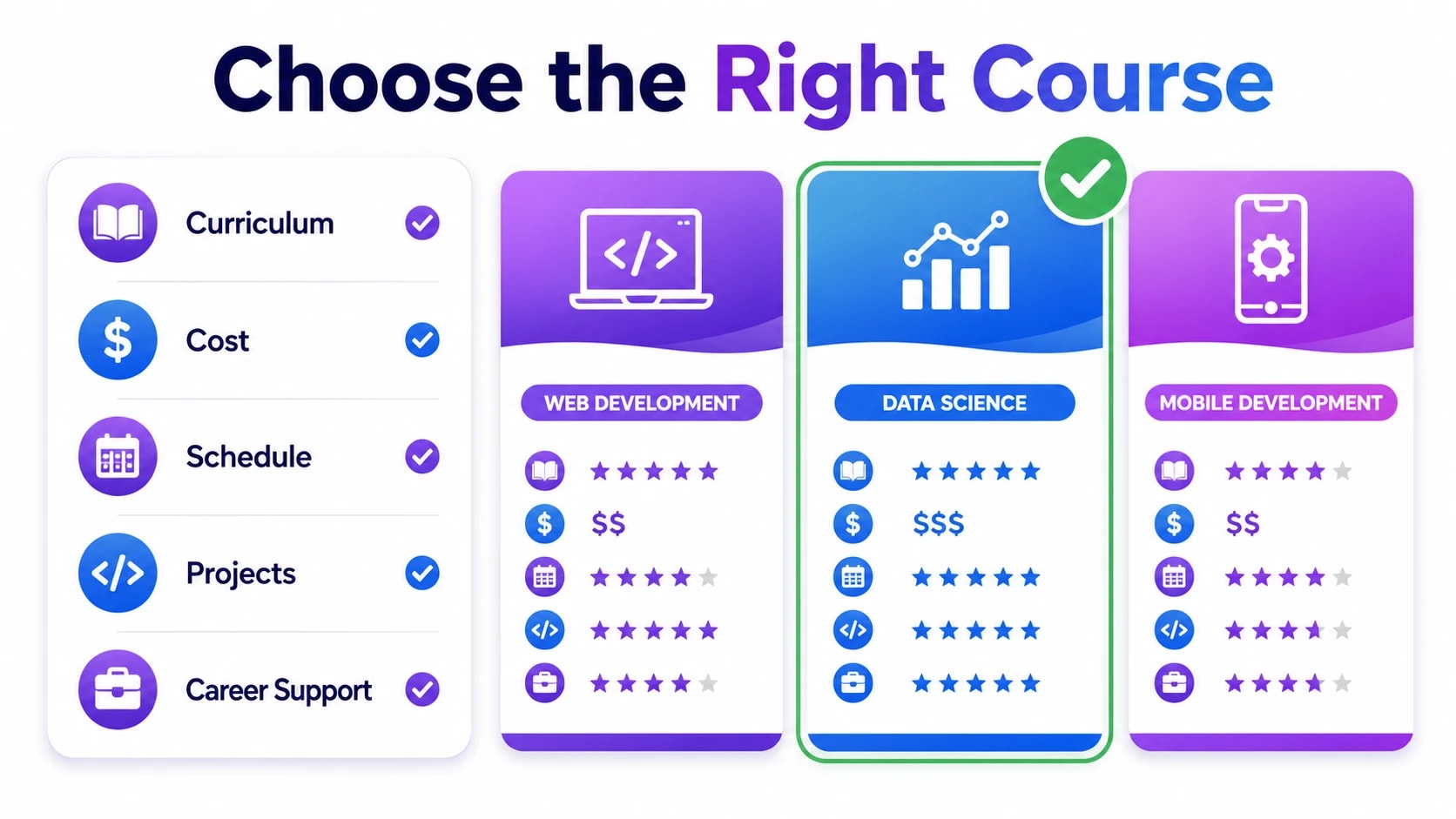
Not every 6 month software development course is built the same way, and choosing the wrong one can cost you both time and money. The most important factor to evaluate is the curriculum structure. A solid course should move from programming fundamentals into real-world application development, covering topics like version control, databases, APIs, and deployment, not just syntax drills. Courses that spend three months on theory and rush through practical work at the end tend to produce graduates who struggle to build anything independently.
Instructor quality and community support matter more than most people expect. Learning to code is filled with moments where you get completely stuck, and the difference between pushing through and quitting often comes down to how quickly you can get help. Look for programs that offer live mentorship sessions, active student communities, and direct feedback on your code. Recorded video libraries alone rarely produce job-ready developers.
Consider the format that fits your situation. Full-time bootcamps move fast and are ideal if you can commit completely. Part-time online courses let you keep your current job while building skills. Here are the key criteria to weigh when comparing options:
Curriculum depth: Does it cover both front-end and back-end development, or specialize in one area that aligns with your goals?
Project-based learning: Are you building real applications throughout, or mostly completing exercises?
Career support: Does the program include resume reviews, mock interviews, and job placement assistance?
Instructor access: Can you get live feedback, or are you limited to forums and pre-recorded answers?
Alumni outcomes: Can the program show you verifiable data on graduate employment rates and starting salaries?
Course Type
Time Commitment
Average Cost
Best For
Full-Time Bootcamp
40-60 hrs/week
$10,000 – $20,000
Career switchers with full availability
Part-Time Online Program
15-25 hrs/week
$3,000 – $10,000
Working professionals building skills gradually
Self-Paced Platform
Flexible
$200 – $1,500/year
Disciplined self-starters on a tight budget
University Continuing Education
20-30 hrs/week
$5,000 – $15,000
Those who want academic credentials alongside skills
Building a Portfolio During Your 6-Month Course That Actually Gets Interviews
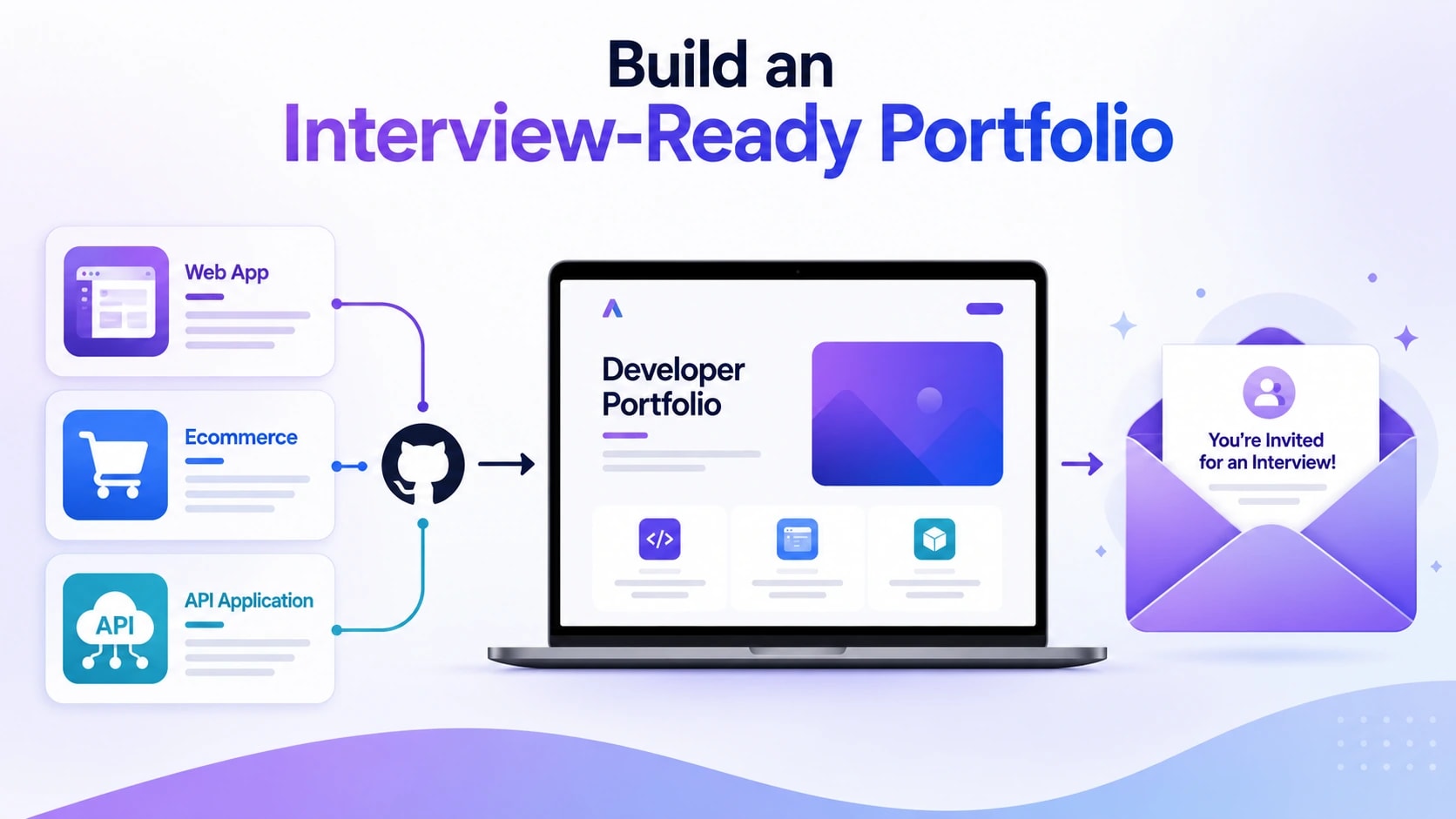
Your portfolio is the single most important asset you will build during a 6 month software development course. Hiring managers at software companies and startups look at GitHub profiles and live project links before they even finish reading a resume. The mistake most students make is waiting until the end of the course to start building projects. Instead, you should be pushing code to a public GitHub repository from week one, even if it is just small exercises and experiments. Consistent commit history signals that you write code regularly, which matters to technical recruiters.
Quantity alone does not win interviews. Three well-built, fully functional applications will outperform fifteen half-finished tutorial clones every time. Your standout projects should solve a real problem, even a small one, and demonstrate that you can take an idea from planning through to deployment. Build something you would actually use yourself. If you document your decision-making process in a README file, including what the project does, why you built it, the tech stack you chose, and what you would improve next, you immediately separate yourself from developers who just push code with no context.
Here are the project types that consistently perform well with hiring teams:
Full-stack web application: A project that includes a database, a back-end API, user authentication, and a front-end interface shows you understand how real software works end to end.
API integration project: Build something that pulls data from a third-party API and does something useful with it, demonstrating you can work within existing systems.
Problem-solving tool: A small productivity tool or automation script that solves a specific workflow problem shows practical thinking.
Clone with a twist: Rebuilding a simplified version of a known product with one unique feature added shows you can both learn from existing patterns and think independently.
What Happens After You Finish: Job Search Strategy for New Developers
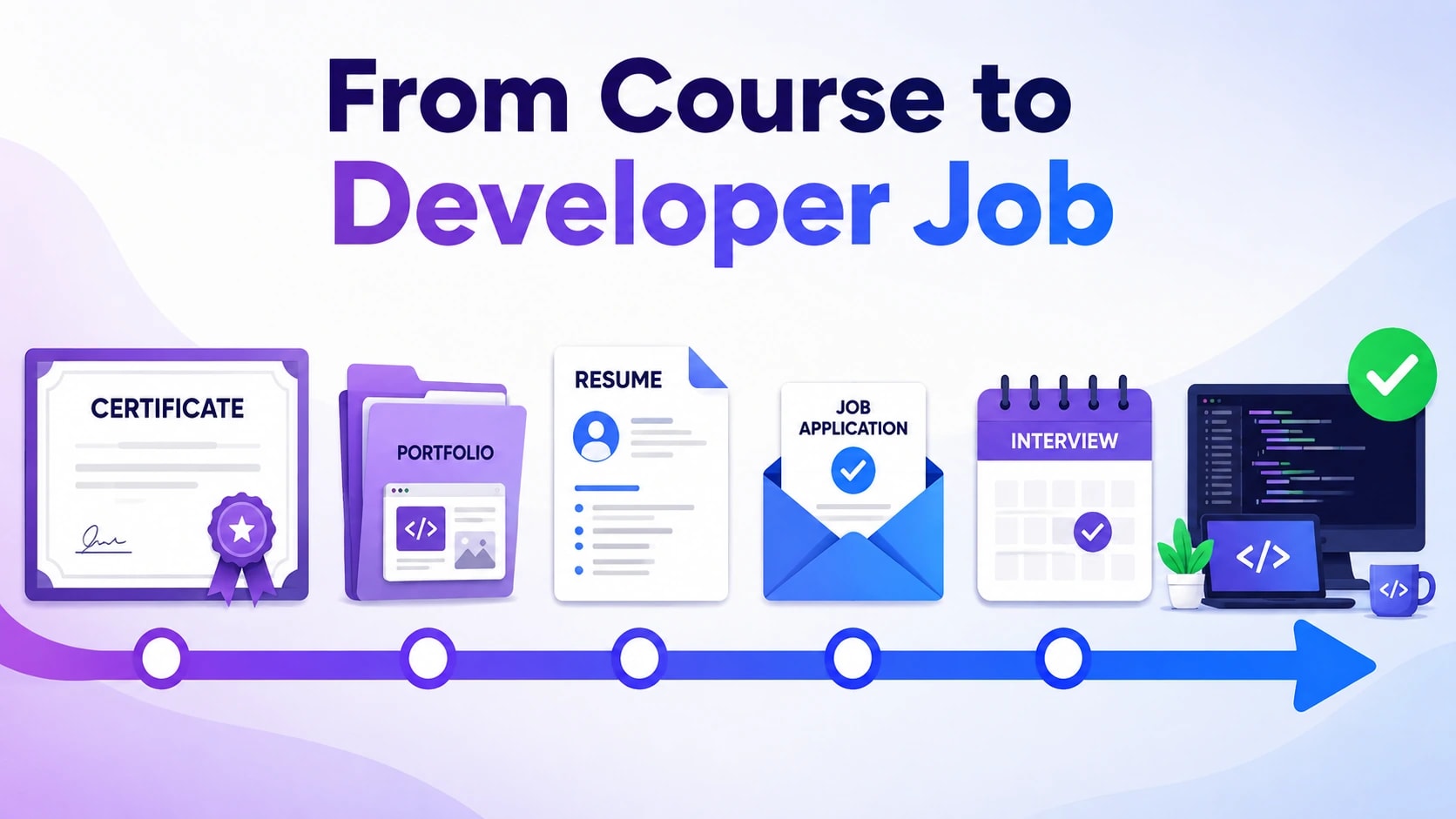
Finishing a 6 month software development course is a significant achievement, but the job search phase is where many new developers lose momentum. The biggest mistake is applying to hundreds of job listings without a focused strategy. Entry-level development roles are competitive, and generic applications get ignored. You will get much better results by targeting a specific type of role, whether that is front-end development, back-end engineering, or full-stack work at startups, and tailoring every application to match the job description closely.
Networking produces faster results than job boards for most new developers. Attending local tech meetups, contributing to open source projects, and engaging genuinely in developer communities online puts your name in front of people who make hiring decisions. Many junior developer roles are filled through referrals before a public posting ever goes live. Even a brief conversation with a working developer who knows your skills and character can open doors that a polished resume alone cannot.
Prepare specifically for the technical interview process, which most new developers underestimate. Here is a realistic breakdown of what the first job search typically looks like:
Job Search Phase
Typical Timeline
Key Activities
Common Pitfall
Resume and Profile Setup
Week 1-2
Polish GitHub, LinkedIn, and resume
Listing tools instead of demonstrating impact
Active Applications
Week 2-8
Apply to targeted roles, reach out to contacts
Applying broadly without customization
Technical Screening
Week 3-10
Complete take-home projects and coding challenges
Skipping problem explanation and documentation
Interview Rounds
Week 4-12
Technical interviews, system design basics, culture fit
Failing to talk through the thinking process out loud
Offer and Negotiation
Week 8-16
Evaluate offers, negotiate compensation
Accepting the first offer without comparing market data
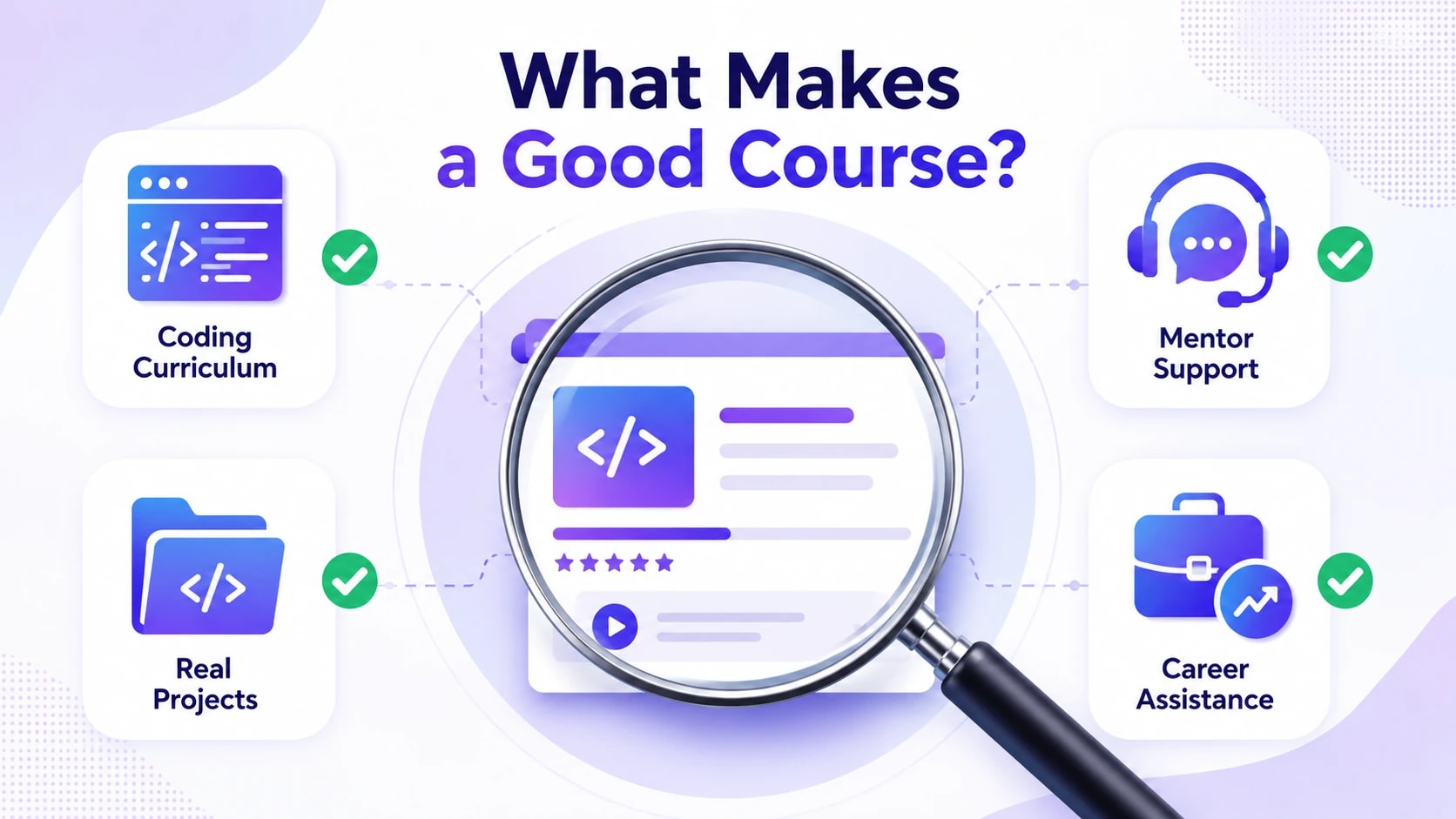
What to Look for in a 6 Month Software Development Course
Not every 6 month program is built the same way. Some are packed with real project experience, mentorship, and career support. Others are largely self-paced video libraries with little structure. Knowing what separates a strong program from a weak one helps you invest your time and money wisely.
Here are the key factors worth evaluating before you commit:
Curriculum depth: Does the course cover both foundational concepts and practical skills like version control, APIs, databases, and deployment?
Project-based learning: Real-world projects signal that you can build things, not just describe them in interviews.
Mentorship access: Direct feedback from experienced developers speeds up learning significantly compared to going it alone.
Community and peer support: Learning alongside others keeps motivation high and opens doors to collaboration and job referrals.
Career services: Resume reviews, mock interviews, and employer connections are valuable, especially for career switchers.
Flexible scheduling: Part-time and self-paced options make the course accessible if you have existing work or family commitments.
Transparent outcomes: Look for programs that publish job placement rates and graduate salaries honestly.
Use this quick comparison to evaluate programs across the factors that matter most to your situation:
Feature
Strong Program
Weak Program
Learning Format
Live sessions, projects, code reviews
Pre-recorded videos only
Mentorship
Weekly 1:1 or group sessions
Forum posts with delayed responses
Portfolio Support
Guided capstone projects
No structured project guidance
Career Help
Resume reviews, mock interviews
Generic job board links
Outcome Transparency
Published placement rates
Vague or no outcome data
How to Maximize Your 6 Months of Software Training
Enrolling in a course is only the first step. What you do with the time determines the outcome. Six months is enough to build strong foundational skills, but only if you stay consistent and intentional about how you practice.
These habits separate students who land jobs from those who stall after graduation:
Code every single day: Even 30 to 45 minutes of consistent daily practice beats occasional long study sessions. Muscle memory matters in coding.
Build personal projects: Apply what you learn immediately. Building a small app from scratch teaches you things no lecture ever will.
Document your progress publicly: Sharing work on GitHub or writing short blog posts builds visibility with potential employers while reinforcing your learning.
Join developer communities: Engage in forums, local meetups, and online groups. These connections often lead to job opportunities and honest advice.
Ask questions early: Do not sit with confusion for days. Reach out to instructors or peers quickly so you keep momentum going.
Review and refactor old code: Revisiting earlier work with fresh eyes teaches you how much you have grown and exposes bad habits to fix.
Start job searching early: Begin applying and attending interviews in month four or five. Early practice makes the real process far less stressful.
Career Outcomes After a 6 Month Software Development Course
One of the biggest questions people have before enrolling is simple: will this actually lead to a job? The honest answer is that outcomes vary, but graduates who build solid portfolios and apply consistently do find employment across a range of entry-level roles.
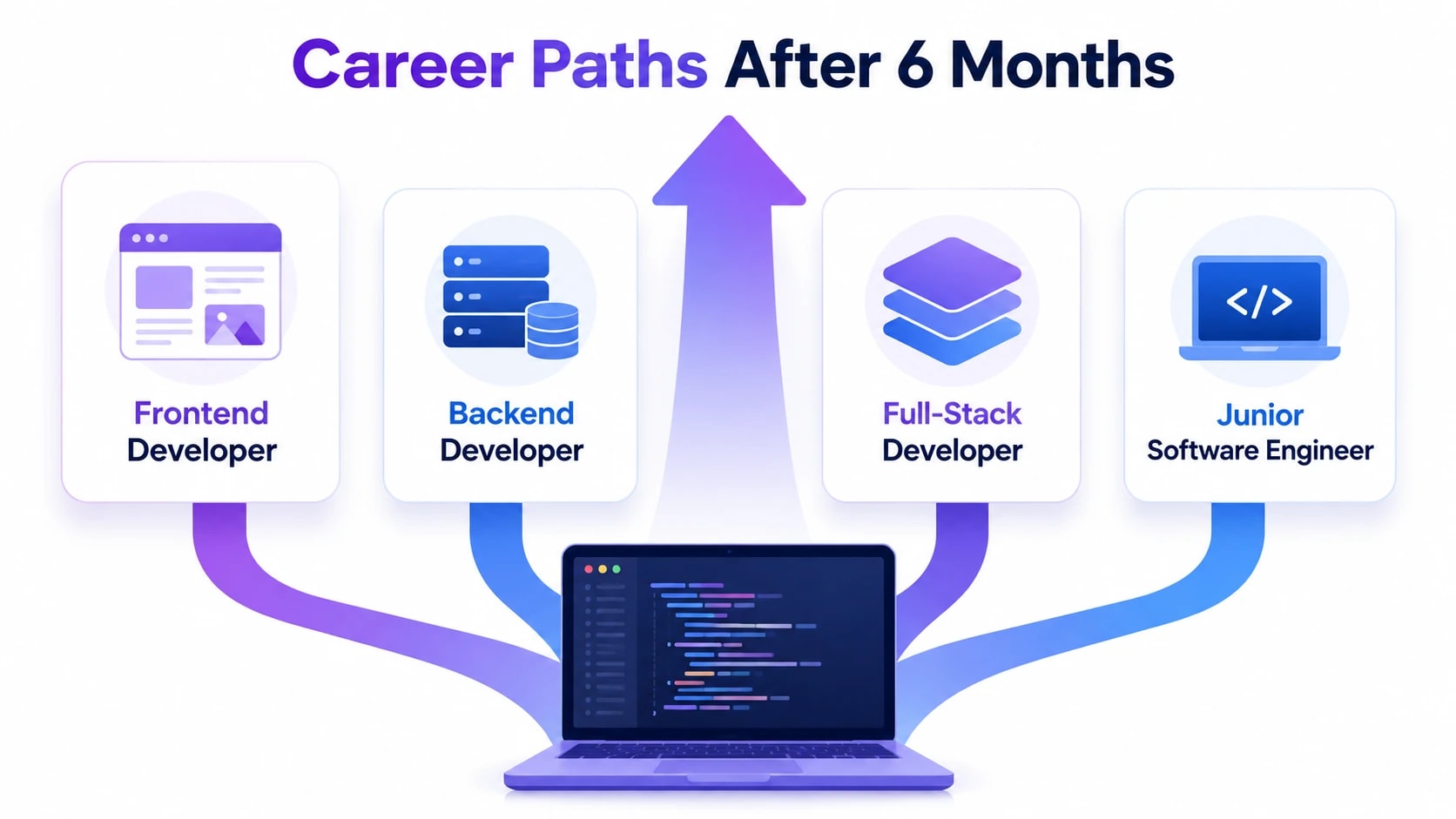
Common job titles graduates pursue after a 6 month course include:
Junior Front-End Developer: Focuses on building user interfaces using HTML, CSS, and JavaScript frameworks like React.
Junior Back-End Developer: Works on server-side logic, databases, and APIs using languages like Python, Node.js, or PHP.
Full-Stack Developer: Handles both front-end and back-end responsibilities, often preferred by startups with small teams.
WordPress Developer: Builds and customizes WordPress sites and themes for agencies or freelance clients.
QA Engineer: Tests software for bugs and performance issues, a strong entry point for those building toward a development career.
Technical Support Specialist: Uses coding knowledge to support software products, a bridge role that often leads to full developer positions.
Salaries for entry-level developers vary by location, specialization, and employer. However, in most markets, junior developers can expect competitive starting salaries that reflect the demand for technical skills across nearly every industry.
Conclusion
A 6 month software development course offers a structured, time-efficient path into one of the most in-demand career fields available today. Whether you are switching careers, building a technical foundation for your business, or expanding skills you already have, six months of focused learning can open doors that would otherwise take years through self-study alone. The key is choosing a program that balances theory with hands-on project work, provides real mentorship, and prepares you for the practical demands of working in a development environment.
If you are serious about building a future in software development, the best time to start is now. Evaluate programs carefully, commit to consistent daily practice, and build projects that demonstrate what you can actually create. If you are a business looking to understand what skilled developers can build for you, or a founder exploring whether to hire technical talent versus outsourcing development, the team at Techlad is happy to help you think through your options and find the right path forward.
Frequently Asked Questions
Is 6 months enough time to learn software development from scratch?
Yes, 6 months is enough to build a solid foundation in one or two core areas of software development, such as front-end or back-end development. You will not become a senior engineer, but you can develop the skills needed to qualify for entry-level junior developer roles with consistent daily practice and project work.
Can I take a 6 month software development course while working full time?
Many programs offer part-time or evening schedules designed specifically for working adults. Expect to commit around 15 to 20 hours per week outside of your job. It requires discipline, but thousands of people successfully complete these programs while maintaining full-time employment by staying consistent with their study schedule.
What programming language should I learn first in a 6 month course?
JavaScript is the most practical first language for beginners because it covers both front-end and back-end development. Python is another strong choice, especially for those interested in data or automation. The best language depends on your career goals, and most structured programs will guide you toward the right starting point.
How much does a 6 month software development course typically cost?
Costs range widely depending on the format and provider. Self-paced online courses can cost anywhere from free to a few hundred dollars. Structured bootcamps with mentorship and career services typically range from two thousand to fifteen thousand dollars. Some programs offer income share agreements, meaning you pay only after landing a job.
Do employers take 6 month software development courses seriously?
Most employers care more about what you can build than where you learned it. A strong GitHub portfolio, completed projects, and the ability to solve real problems during technical interviews matter far more than a certificate. Many bootcamp and course graduates work at reputable companies because they demonstrated practical skills effectively during the hiring process.


 Post by